How a pavement channel works
A narrow trough in the pavement, flush with the paving, that your charging cable lies in while the car charges.
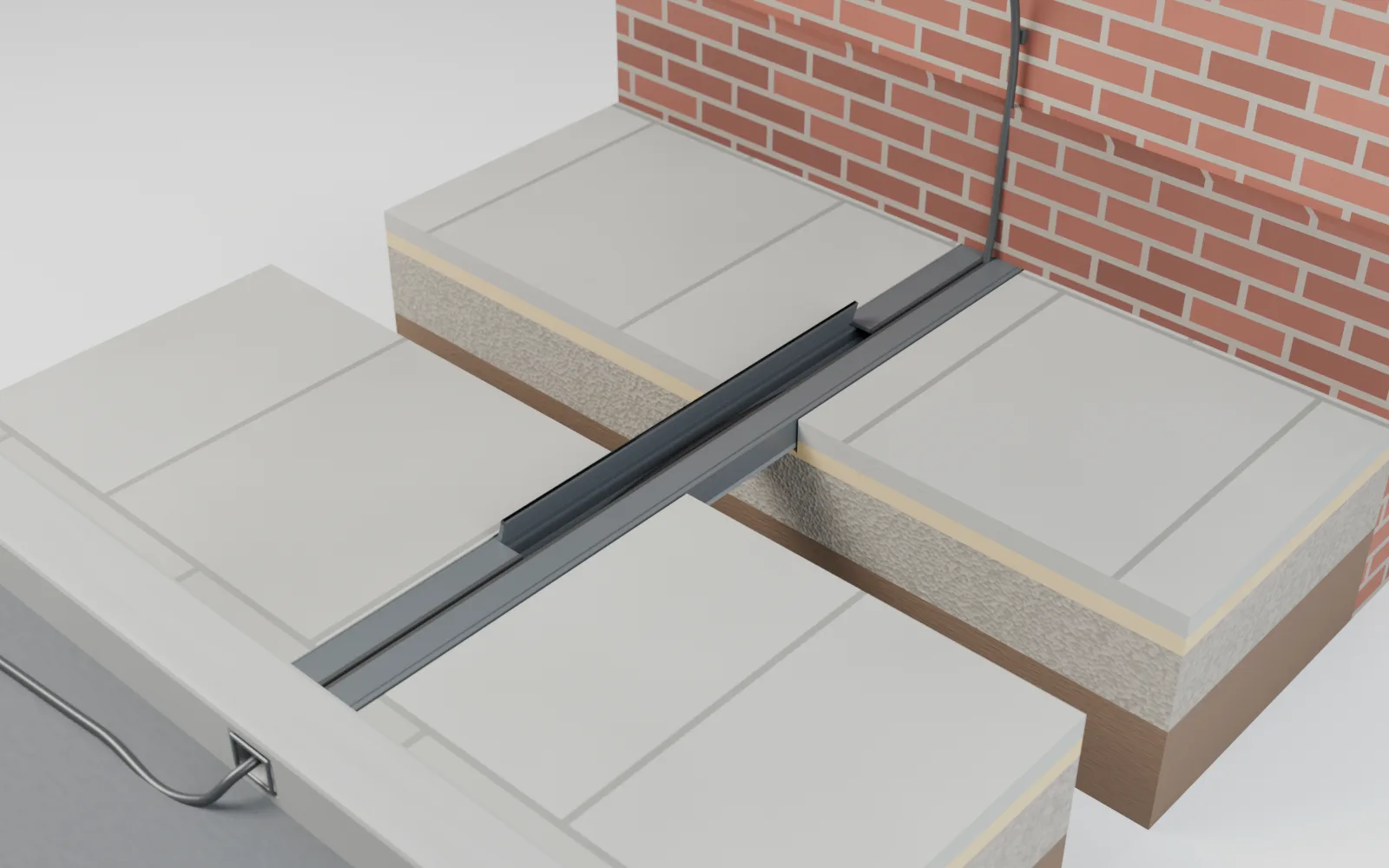
The problem it solves is simple. A charger on your front wall is a metre or two from the car, but the pavement is in between, and a cable lying across it trips people up. A channel puts the cable below the walking surface. When you aren't charging, the channel is empty and closed, and the pavement looks almost as it did.
The three designs
Every product councils approve today is one of these:
- A slim channel with a lid. The lid opens along a slot, you press the cable in, and the lid closes over it. Kerbo Charge and Charge Gully work this way, and they are the ones most councils name.
- An open metal channel with a bristle strip across the top, which the cable pushes through. Gul-e, first trialled in Oxford, is the main one, and it has no moving parts.
- A flush channel that opens to take the cable, under 80 mm deep. Pavecross, from Electrica, is the example.
Arms that lift a cable over the pavement exist (ChargeArm is a Dutch one), but they aren't set into the pavement, so England's new planning rules, which cover "a pavement-embedded cable channel", don't apply to them. We found no UK council approving one. The products compared.
What happens on the day
An installer the council approves cuts a strip of pavement from your front wall to the kerb, sets the channel in and makes the surface good. Makers quote from under two hours to half a day. The kerb end usually comes out in the kerb face or just behind it, so the cable drops straight to the car's charge port. Separately, an electrician fits your charger on the front wall, at no more than 1.6 metres high under the new rules.
Houses and streets that suit one
Councils differ, but the same conditions keep coming up in the council pages we checked and in London Councils' 2025 report:
- The house has no driveway or other off-street parking, and its front door or wall is on the pavement where you park.
- The pavement is wide enough to stay clear for wheelchairs and buggies. The new rules want 1.5 metres between a wall charger and the kerb.
- No dropped kerb, grass verge or yellow line at that spot, and no junction or bend.
- Not a listed building, and outside a conservation area if you rely on the new planning rules.
- Usually a house rather than a flat. Above the ground floor it rarely works.
Many councils also ask you to hold public liability insurance for the cable (which ones) and to keep the channel clean. Some charge a yearly licence. What it all costs.
Is it allowed where you live?
That's the council's call, street by street. 13 councils in England let residents apply now and 25 run trials. Check yours.